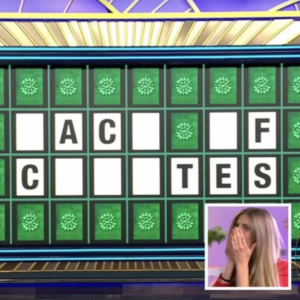
It begins as two numbers and ends in total classroom derailment.
“Six-seven” is the nonsense phrase that sends kids into fits of laughter and leaves adults scanning the room, unsure what just happened. It pops up mid-lesson, floods TikTok comments, and turns ordinary conversations into inside jokes no one over 25 can fully decode. What sounds meaningless is anything but—it’s a tiny act of rebellion, a shared signal, a generational wink.
What gives “6-7” its strange power isn’t definition, but absence. It doesn’t explain itself. It doesn’t need to. It’s a sound students can claim as their own—a private channel adults can overhear but never quite access. In a world where everything is dissected, branded, and optimized, a joke that refuses to mean anything feels oddly liberating.
Teachers hear disruption. Students feel connection. For a split second, stress, pressure, and schedules dissolve into shared laughter. It’s not about the phrase—it’s about belonging.
The rise of “6-7” also shows how fast culture now moves. A single lyric from Skrilla’s “Doot Doot” turned into a global inside joke almost overnight, jumping from TikTok audio to hallways and homerooms. And just as quickly, it will disappear—replaced by something even more confusing.
But that’s the point. Every generation invents its own nonsense.
Not to confuse—but to say: we’re here, we’re laughing, and this moment belongs to us.