Nick’s snowmen were supposed to be innocent. Childhood. Wonder. Small miracles made of cold hands and borrowed scarves. They were never meant to be targets.
But every day, like a ritual no one had agreed to, the same thing happened.
Nick would wake early, dragging on boots still damp from the day before, layering snow into a body and a head with the kind of care usually reserved for fragile things. He gave them names. He argued with himself over stick arms versus mittens. He packed the base tight so the snowman would last through the afternoon sun. And every afternoon, sometime between the school bus and dinner, our neighbor Mr. Streeter would cut across our lawn in his sedan, tires chewing through white, reducing carrot noses and coal smiles to dirty slush.
Crunch. Pause. Reverse. Drive on.
The first time, Nick laughed. The second time, he rebuilt. By the third, he started standing at the window, jaw set, watching for the car. Streeter never waved. Never slowed. The shortcut saved him maybe six seconds, but it cost my son an entire afternoon each time.
I thought about saying something. About walking across the street and using my adult voice—firm but reasonable. But there’s a peculiar power imbalance between a man who believes rules are optional and the people he inconveniences. Streeter had lived here longer. He knew the angles. He knew that lawns were suggestions and hydrants were someone else’s problem.
Nick noticed all of this long before I did.
His anger didn’t come out sideways or loud. It didn’t turn into tears. It condensed. Like ice forming under pressure. One evening, as he packed snow with more force than necessary, he looked up at me and said, very calmly, “I have a plan.”
I smiled, the way adults do when they assume a child means something small. Extra tall snowman. Hidden rock. A sign. I told him to be careful and went inside to start dinner.
That night, he asked me where the property line ended. The next day, he asked why the city painted the curb red in some places. He asked what happened if someone hit a fire hydrant. I answered distractedly, unaware I was handing him pieces of a puzzle he was already assembling.
Two days later, the temperature dropped hard, the kind of cold that locks mistakes into place. Nick worked longer than usual. He rolled snow until his gloves soaked through, then switched to mittens, then to bare hands, red and determined. He built his biggest snowman yet—broad, solid, perfectly centered over the fire hydrant at the edge of our lawn. From the street, it looked like just another harmless creation. Festive. Proud. Unremarkable.
I watched from the window, unease prickling, but said nothing.
That afternoon, right on schedule, Mr. Streeter came home.
He took the shortcut.
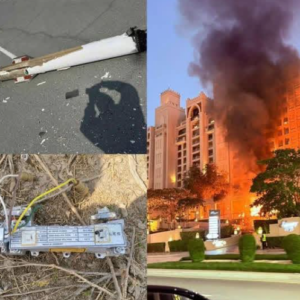
The impact wasn’t loud so much as sudden. Metal met iron. The hydrant sheared clean, and water erupted skyward, a roaring white plume that soaked the car, the street, the air itself. Steam rose like breath from an open mouth. Streeter stumbled out, shouting, shoes instantly flooded.
Nick didn’t cheer. He didn’t smile. He just stood beside me, quiet, watching cause catch up to effect.
The officer arrived. A flashlight traced the tire tracks across our lawn. There was talk of negligence, of city property, of fines that sounded heavy enough to finally matter. No one accused Nick of anything. The snowman, after all, had been built exactly where it was allowed to be.
None of it felt cruel. It felt mathematical.
Nick hadn’t laid a trap to hurt someone. He’d trusted a pattern—an adult’s consistent decision to ignore boundaries—and placed his faith in the idea that reality enforces rules eventually.
After that, Nick went back to building snowmen in their proper place. Smaller. Careful. Still joyful.
Mr. Streeter stopped cutting across our lawn. He began turning wide, exaggeratedly so, like the grass itself might burn him. We never spoke. There were no apologies, no explanations, no thawing over coffee.
Just distance.
And, at last, respect measured in inches of untouched snow.