Cold urticaria is a condition that directly affects the skin, often appearing suddenly and leaving many people confused about what’s happening to their body. According to the National Center for Advancing Translational Sciences, it’s diagnosed based on specific signs and reactions—many of which can feel alarming if you don’t know what to look for.
So what actually causes it?
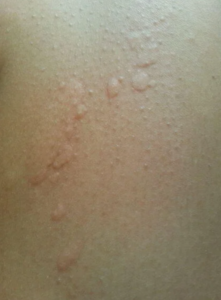
According to Demetrios Theodoropoulos, the exact cause of Cold urticaria remains unknown. Despite that, it’s considered one of the most common forms of urticaria, as noted by the National Organization for Rare Disorders. While it’s not usually inherited, researchers have linked it to certain underlying conditions—including infections and blood disorders like Cryoglobulinemia, Chronic lymphocytic leukemia, and Viral hepatitis.
There’s also a rarer form—familial cold urticaria—which has been traced to genetic mutations on specific chromosomes. As you may know, chromosomes carry our genetic information, and humans have 23 pairs that determine everything from physical traits to certain health risks.
But how does this condition actually show up?
Cold urticaria—whether acquired or inherited—causes the skin to react abnormally to cold exposure. This could be as simple as stepping outside in chilly weather or something more intense like swimming in cold water. Within minutes, the skin may turn red, develop raised welts, or begin to itch and burn. In some cases, symptoms go beyond the skin—causing fever, fatigue, anxiety, or even fainting.
The timing can vary. In acquired cases, symptoms usually appear within 2–5 minutes and fade within a couple of hours. In familial cases, reactions may take 24–48 hours to develop and can last just as long—sometimes even longer in severe situations.
There are also different forms to be aware of:
- Primary cold urticaria: itching, redness, burning sensations, and hives
- Reflex cold urticaria: more widespread reactions triggered by a drop in overall body temperature

TREATMENT
Managing cold urticaria depends on the severity of symptoms, but there are several effective options available.
Over-the-counter antihistamines like Claritin and Zyrtec—often recommended by the Mayo Clinic—can help block histamine release and reduce mild reactions. For more severe cases, systemic corticosteroids may be prescribed to control inflammation, while medications like Dapsone may also be used in certain situations.
Attention
Please note: this content is for informational purposes only and should not be taken as medical advice. Always consult a qualified healthcare professional if you notice unusual symptoms or reactions.
The story doesn’t end here…
👉 Tap READ MORE to discover what most people don’t realize about this condition.